

By Armaan Khanna, Local Journalism Initiative Reporter, Lakeside Leader
October 16, 2026
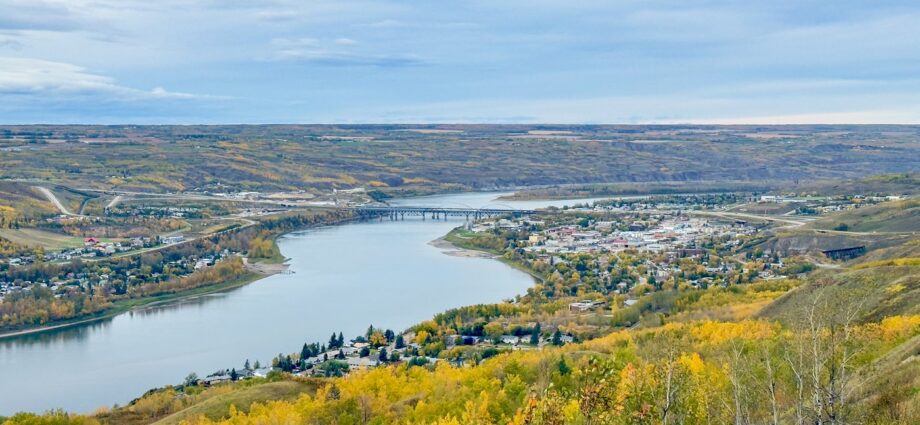
A massive new natural gas-fired power plant and data centre is being proposed for the Peace River region, bringing the promise of hundreds of jobs and a significant boost to the northern economy while keeping the provincial power grid protected.
The proposed Mihta Askiy Data Center is slated to be built about 40 kilometres northeast of Peace River. Rather than clearing fresh land, developers plan to construct the 650-megawatt facility on the abandoned Carmon Creek heavy oil site. Repurposing this existing industrial brownfield will significantly reduce the project’s overall environmental footprint.
During a presentation to the Rural Municipalities of Alberta Zone 4 in August, project leaders outlined the massive scale of the development. The construction phase is expected to be a major economic driver for the region, creating roughly 650 jobs at its peak. Once the facility is fully built and operational, it will provide around 200 permanent, full-time jobs for the area.
“To drive rural economic development in a region with strong enabling infrastructure and a skilled local workforce,” a project presentation said, highlighting the main objectives of the development.
A key part of the proposal is how the facility will generate its own electricity. The massive computing power required for modern data centres uses a tremendous amount of energy. To prevent this from overwhelming the local power grid, the Mihta Askiy project is being designed in compliance with Alberta’s new “Bring Your Own Generation” policy.
The provincial policy was introduced in June to protect everyday residential and business ratepayers from bearing the costs of massive digital infrastructure projects. Under the new rules, data centre developers must directly pay for the transmission system upgrades they need and supply their own dedicated power generation. By building a 650-megawatt natural gas power plant on the exact same site, Mihta Askiy will generate its own electricity, ensuring it does not drain the provincial grid or drive up utility bills for local residents.
Project leaders also addressed potential environmental concerns during the municipal presentation, particularly regarding water usage and greenhouse gas emissions.
Data centres generate a massive amount of heat and require constant cooling. To manage this responsibly, the Mihta Askiy facility will use a closed-loop, glycol-based cooling system. Instead of constantly drawing in fresh water and dumping it out, the system recirculates the liquid to absorb heat from the computer servers, releasing that heat into the atmosphere using outdoor radiators and large fans.
Because it is a closed loop, the data centre system significantly reduces total water consumption. As the project advances into its third phase, the power plant will transition to a combined-cycle operation, which includes a steam turbine and a cooling tower. At that stage, the plant will draw up to 5,000 cubic metres of water a day.
However, developers said this water will be drawn from an existing, underutilized water licence for the Peace River, meaning no new draws will be placed on the local water supply. They added that they are also exploring the use of non-potable, brackish groundwater as a backup option to further protect freshwater resources.
On the emissions front, project leaders said the combined-cycle technology will place Mihta Askiy among the most highly efficient natural gas-fired generation facilities in North America. They said this modern design keeps its greenhouse gas emissions significantly lower than the current average on the Alberta power grid.
Subscribe to our newsletter.
Finally, to address long-term environmental concerns, the developers have committed to a strict reclamation security plan. The company will set aside funds throughout the life of the project to ensure the site is fully cleaned up and returned to its natural state if the facility ever closes, guaranteeing that local taxpayers are not left to foot the bill for an abandoned industrial site.
