

By Noah Korver, Local Journalism Initiative Reporter, Yukon News
May 6, 2026
The Vuntut Gwitchin First Nation expressed their continued opposition to oil and gas development in Northern Alaska on April 30, releasing a statement denouncing the planned sale of oil and gas leases within critical habitat for the Porcupine Caribou Herd.
On April 20, the Alaska Bureau of Land Management released a Detailed Statement of Sale announcing the opening date for bidding on oil and gas lease tracts within the Coastal Plains area of the Arctic National Wildlife Refuge (ANWR).
The refuge sits along the northern coast of Alaska and abuts the border with the Yukon on its eastern side. Encompassing an area nearly double the size of Switzerland at 19.9 million acres, the ANWR is the largest designated wildlife refuge in the world.
The coastal plains area set to be leased, sits on the far north end of the refuge roughly 200 kilometres east of Prudhoe Bay, Alaska.
Oil and gas exploration in the ANWR has been a controversial topic for nearly 10 years after the first administration of U.S. President Donald Trump reopened the refuge to oil and gas exploration in 2017 and directed the Bureau of Land Management (BLM) to facilitate the sale of oil and gas leases encompassing tens of millions of acres of land within the refuge.
In the years since, the BLM has facilitated several sales that have become a quagmire of underwhelming bids, legal challenges and opposition from environmental advocates and Indigenous communities in both sides of the Alaska border.
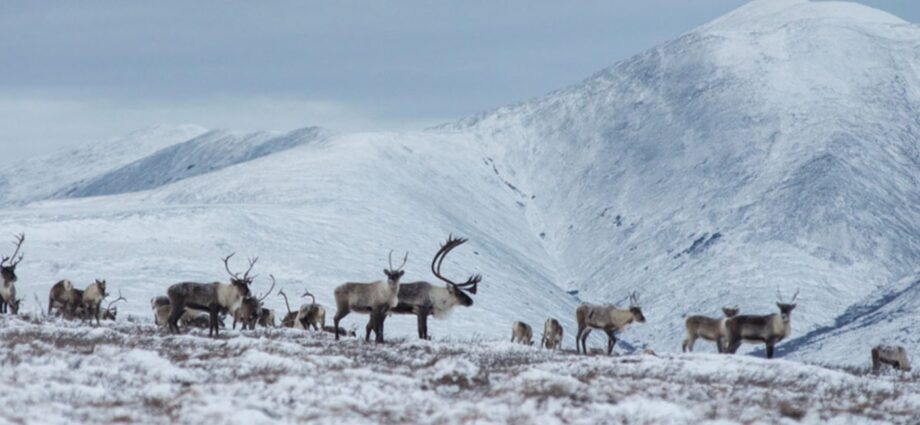
For many, the sale of leases in the coastal plains area is particularly egregious as the area encompasses the calving grounds of the Porcupine Caribou Herd who migrate to the plains every year to birth their calves in May and June.
The development of oil and gas projects in this critically important habitat presents a major threat to not only the caribou but also to many other species including over 150 different species of migratory birds, wolves, bears, muskox and wolverines. The essential role the area plays in the lives of the caribou has also long rendered them to be held as sacred by many local Indigenous communities who have relied on the caribou to sustain them for generations.

In response to the BLM’s release detailing the upcoming sale, which is set to take place on June 5, the Vuntut Gwitchin First Nation put out a statement decrying the sale and calling for a halt to this and all future lease sales. Located in and around the community of Old Crow in the Yukon’s far north, the people of the Vuntut Gwitchin First Nation have long relied on the porcupine herd for sustenance.
Every year, the community harvests small numbers of caribou during its yearly migration from the ANWR to their overwintering grounds in the central Yukon and Northwest Territories.
In the statement released on April 30, the Vuntut Gwitchin First Nation says they remain vehemently opposed to any oil and gas development in the ANWR and are “issuing a clear warning to any company considering participation in this lease sale not to proceed.”
The statement goes on to highlight some of the many risks they say make drilling in the region untenable saying that development is not only “reprehensible” but opens up companies to “significant material, financial, legal and reputational risk.”
According to the Gwitchin, the Trump administration’s continual aggressive push to sell mineral leases within critical caribou habitat constitutes a breach of several U.S. laws governing the processes used to advance such projects.
The continued push to open up such vast tracts of the Arctic to oil and gas exploration has been a hallmark of Donald Trump’s energy policy for both of his presidencies. Trump campaigned in 2016 on a promise to reopen the ANWR to drilling.
His first actions came in 2017 when provisions attached to the Tax Cuts and Jobs Act opened the coastal plains area to drilling and mandated at least four lease sales for coastal plain lease tracts within 10 years. The upcoming sale will be the third lease sale in coastal plains area.
More recently the president also signed an executive order titled, Unleashing Alaska’s Extraordinary Natural Resource Potential. The order directs the US Department of the Interior to “take all necessary steps to unleash the State of Alaska’s abundant and largely untapped supply of natural resources.”
On the same day that the statement of sale was released by the Alaska BLM, President Trump also invoked the Defense Production Act, part of a series of actions taken by the president aimed at clearing away regulatory hurdles and fast tracking new oil and gas projects across the U.S.
While the Trump administration continues to force the sales of millions of acres of public land to mineral leasing in the ANWR, Vuntut Gwitchin First Nation Chief Pauline Frost said in a quote published alongside the press release that attempts by the Trump administration to justify the drilling through the recent presidential actions are “both misleading and dangerous.”
Chief Frost goes on to say that industrial development in one of the world most delicate ecosystems is irresponsible and says that her people will continue to fight for their voice to be heard.
“We will not accept the violation of our rights. We will hold those responsible to account,” Frost said in the release.
Subscribe to our newsletter.
Contact Noah Korver at noah.korver@yukon-news.com

