

May 20, 2026
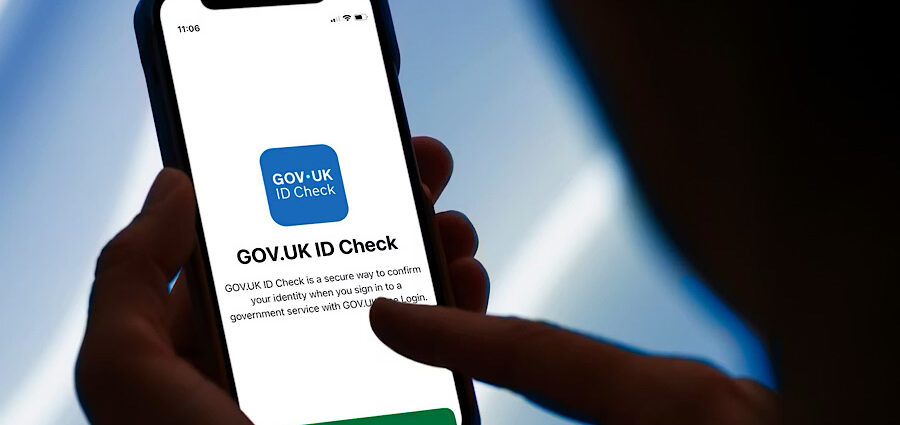
In the recent king’s speech, King Charles outlined a series of UK government proposals, including plans to move forward with digital identity through the digital access to services bill.
The government says the scheme is designed to modernise access to public services, allowing people to verify who they are more quickly and securely. The proposal is voluntary. But after last September’s politically bruising debate over compulsory national ID cards, digital identity may once again become a contentious issue.
Digital IDs are electronic forms of identification used instead of paper documents. They are typically accessed through smartphones or smartcards. Finland became the first country to introduce a national electronic identity card in 1999, and over 130 countries have since rolled out some form of digital ID system.
The UK has revisited the idea repeatedly. In 2006, the Labour party’s attempt to introduce an identity card scheme collapsed amid concerns over cost, privacy and state surveillance. Despite the political failure of that project, the UK has steadily moved towards a digital-first approach in everyday life.
That’s something that is often overlooked in debates around identity systems. Outside a few areas such as international travel and right-to-work checks, online identification has become increasingly common. People already use apps to access banking, healthcare, transport and government services.
The pandemic also accelerated expectations around digital access to services. People increasingly expect interactions with government to mirror the convenience offered by organisations like banks and streaming platforms. They want services to be accessible on demand, on the device of their choosing, with updates and progress tracking built in.
Government figures suggest 93% of UK adults now own a smartphone. A recent report found that 90% of adults under 65 use smartphones daily. Even among over-65s, usage stood at 76%, suggesting digital technology is now embedded across generations.
The proposed digital ID scheme would store basic identifying information, like name, date of birth, nationality or residency status and a photo. This would be accessible through a smartphone.

With the introduction of GOV.UK wallet (which will let people save documents like a driving licence, veteran’s card or certain qualifications to their phone) in 2027, it’s possible that convenience could play a role in public acceptance of the idea.
Drawbacks
Some of the objections that haunted earlier ID card proposals have not disappeared, however. Critics of compulsory digital IDs have warned about threats to civil liberties and the potential expansion of state monitoring. While the new scheme is voluntary, campaigners argue that voluntary systems can gradually become unavoidable in practice.
The Digital Poverty Alliance charity has warned that digital ID could deepen existing inequality if access to services increasingly depends on smartphones or online verification. Elizabeth Anderson, the organisation’s chief executive, has argued that when public and private services begin relying on digital ID systems, offline alternatives can become “slow, complex, or difficult to access”.
That concern reflects a broader issue of digital inequality in the UK. Around 2.4 million households can’t afford their mobile phone contracts, including having to cancel or change services and missing payments. Also, more than 1.5 million people don’t own a smartphone. So, as digital ID becomes more widely adopted, the pressure to improve digital access and literacy will only grow.
The politics surrounding identity cards have also changed. Public concern over illegal immigration and small boat crossings has increased pressure on the government to appear decisive. In September 2025, Keir Starmer’s proposal for compulsory ID cards was presented by supporters as a tougher approach to immigration control.

But the backlash was swift. Critics questioned whether compulsory ID cards would reduce illegal immigration, and warned about issues with privacy, surveillance and government overreach. A petition opposing the proposal attracted millions of signatures, which may have contributed to the government’s eventual retreat towards the voluntary model now being proposed.
That may prove politically safer. But the debate is unlikely to disappear.
Supporters see digital ID as a practical modernisation of public services and identity verification. Critics fear a gradual drift towards a society in which proving who you are becomes a routine requirement for everyday life.
So, the central issues remain unresolved. With Starmer already facing political pressure on several fronts, digital identity may become yet another divisive battleground.
Tim Holmes, Senior Lecturer in Criminology and Policing, Bangor University
Subscribe to our newsletter.
This article is republished from The Conversation under a Creative Commons license. Read the original article.

