

By George Lee, Local Journalism Initiative Reporter, The Macleod Gazette
May 16, 2026
Grant Hunter should scrutinize his own budgetary back forty when he claims that a new national strategy gives scant attention to farmer-led stewardship, the Opposition says.
Besides, “there’s definitely space” in the federal strategy to involve Alberta farmers in land and water conservation and protection, critic Sarah Elmeligi told The Macleod Gazette.
“I’m not quite sure what the minister’s concerns are,” said Elmeligi, the NDP’s shadow minister for environment and protected areas. “The 30-by-30 strategy allows for that, so I think we’ve interpreted it in different ways — let’s just put it that way.”
Announced in March, Force of Nature: Canada’s Strategy to Protect Nature attaches $3.8 billion in federal funds to making 30 per cent of the country’s landmass protected or conserved by 2030. Hitting the target would more than double the strategy’s current national calculation of 14 per cent.
The target comes from internationally accepted definitions that underpin a framework created in Montreal in December 2022. The Kunming-Montreal Global Biodiversity Framework ties 196 signatory countries, including Canada, to the 30-by-30 goal for land and marine.
Canada is shooting for increased marine conservation to 28 per cent of the country’s ocean and Great Lakes areas from 15.5 per cent. The remaining two per cent or even more will come from initiatives with Indigenous partners, Force of Nature envisions.
Elmeligi said that “of course” rural landowners and leaseholders deserve recognition for stewardship. “This government isn’t doing that either, so I’d sure like the minister to put his money where his mouth is,” she said.
Spending Cuts Conflict?
In its current budget, the province cut funding to the Alberta Water Council, the Land Stewardship Centre and the Watershed Resiliency and Restoration Program.
“If the minister is so concerned about private landowners getting recognition for the stewardship they provide, he reflected that in a very interesting way,” Elmeligi told reporters before the morning sitting of the legislature last Thursday in Edmonton.

In a statement, the office of the minister of environment and protected areas said Elmeligi is “conflating various issues to play politics. This is unhelpful, and nothing more than a desperate distraction from the real work being done.”
The water council met three times a year and was led by a bureaucrat, the statement says. “This work continues under better, more targeted, and more local programs and forums.”
As for the Watershed Resiliency and Restoration Program, the minister’s office said increasing pressures related to water availability and drought make it “no longer the best fit to address the shift in priorities and growing demands.”
WRRP funding has been halved to $3.5 million in 2026 before it ends completely in 2027 under the current business plan.
The ministry statement continues: “Consolidating efforts into fewer, more focused programs improves accountability, reduces overlap and ensures taxpayer dollars are used effectively.”
Alberta has “many programs that continue to fund, restore and construct wetlands right across our province.”
The Shuttering of the Land Stewardship Centre
The Land Stewardship Centre decided to end operations in a move unrelated to changes in Alberta government funding, the minister’s office claimed.
But LSC itself portrays the situation differently.
“While the decision to dissolve was made by our Board of Directors, it was a decision necessitated by the provincial government’s withdrawal of core operational funding and the discontinuation of the programs we were built to deliver,” said Andrea Grantham, the group’s executive director, in a Feb. 27 letter to stakeholders.
The UCP statement puts no stock in the NDP’s record for sticking up for farmers.
“Alberta farmers, ranchers, agricultural producers and landowners have been conserving and stewarding our lands and environment for generations – and we will always support them and defend their successes,” said the statement.
“For years, far left politicians like those in the NDP have ignored and debased the importance of agricultural stewardship and the vital role farmers and ranchers play in land conservation. From Rachel Notley to Naheed Nenshi, the NDP refuses to acknowledge our producers’ success — it’s shameful, full stop.”
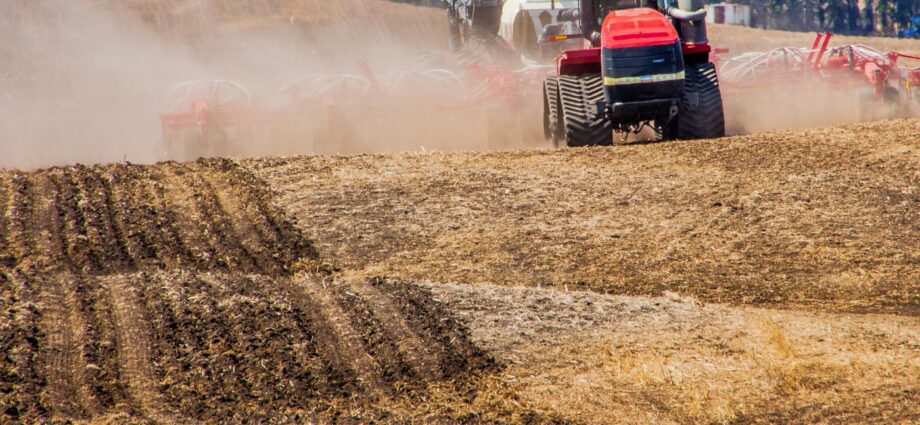
According to Hunter, the UCP member for Taber-Warner, shortcomings in the federal strategy include a failure to acknowledge the protective role farmers play on 13.4 million hectares of cropland and hayland, including summer fallow, that they own or lease in Alberta.
The number represents more than 27 per cent of Canada’s total cropland and hayland.
Elmeligi said the three areas hit with funding cuts were inexpensive with “big, on-the-ground impact.”

The member for Banff-Kananaskis continued: “If the minister is so concerned about private landowners getting recognition for the stewardship services they provide, why did he cancel funding for the programs that actually accomplish that?”
The operating budget of environment and protected areas in Alberta drops about 17 per cent in 2026. Budget spending is targeted at $427 million, down from an estimated $514 million in actual spending in fiscal 2025.
Nowhere does the federal nature strategy specify that it will work directly with farmers or the farming community to reach the 30-by-30 goal. But it does point to partnerships with industry and private landowners as among ways Canada will “expand the network” of protected and conserved areas.
The document states: “Nature is part of our daily lives, whether it’s breathing fresh air, hiking on trails, skating in the winter or canoeing in Canada’s many lakes and rivers. It also forms the basis of Canada’s economy through timber, minerals, fish and farmland.”
The strategy notes that Canada’s economy “relies heavily” on its natural resources, calling industries like agriculture, forestry, mining and fisheries “nature-based sectors” that generate about seven per cent of the GDP.
Strategy Has Potential, Elmeligi Says
The UCP needs to adjust its grievances-based take on 30-by-30, Elmeligi said.
“I don’t look at it as a barrier at all. I think there’s a lot of opportunity there,” she said.
Subscribe to our newsletter.
“And if we had a government that wanted to work with the federal government, we could leverage some dollars and some motivation and some momentum to help conserve some of Alberta’s best wild places.”
