

Global circularity and the need for standardized trade of plastic feedstock
by Doug Woodring – Founder and Managing Director of Ocean Recovery Alliance
May 22, 2026
In 2018, the Norwegian government proposed classifying plastic as potentially hazardous waste under the Basel Convention. Following broad international support, but with only two years of preparation, the Plastic Amendments entered into force in January 2021.
Originally established to regulate nuclear waste, and later expanded to chemical and electronic waste, the Convention has since been revised to include plastic, which has no secondary value and which needs disposal, thus potentially becoming hazardous. Plastic, however, is relatively easier to recover than the preceding categories of the convention, and secondary, circular markets already exist for plastic’s re-use, albeit at relatively low levels of efficiency.
A key challenge within the Plastic Amendments, however, is the use of the terms “waste” and “disposal,” which were carried over in the text from their reference to nuclear, chemical, and e-waste. These terms are less suited to plastics which can retain secondary and tertiary value. By definition, “waste” and “disposal” imply end-of-life treatment rather than recovery or reuse, creating tension with circular economy principles that prioritize reuse, recycling, and resource efficiency. As a result, this terminology in the amendments has contributed to misunderstandings among policymakers, customs authorities, the media, and industry stakeholders.
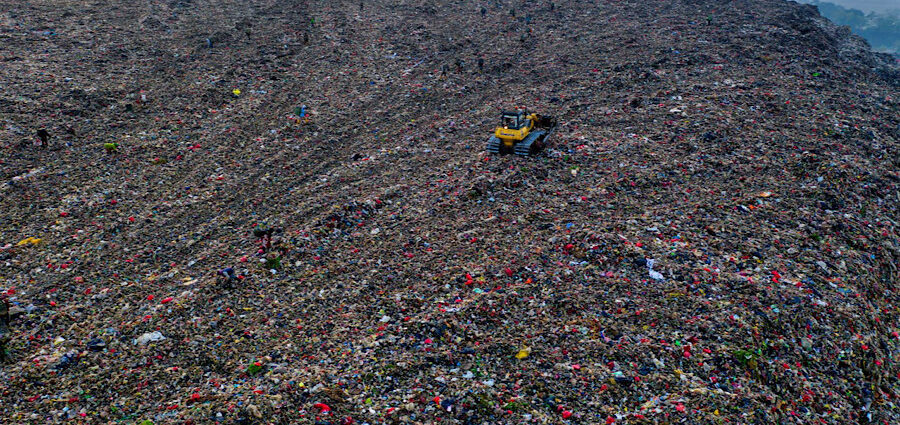
Reframing plastic as “recyclable material” or “feedstock,” and limiting “disposal” to materials with no recoverable value, would better align policy with circular economy objectives. When properly governed and traded through transparent, well-regulated global supply chains, recovered plastics can retain value and avoid disposal altogether. Restricting international trade, however, limits recycling opportunities, particularly in countries without sufficient domestic capacity, leading to increased illegal dumping, open burning, and landfill use.
While concerns about mismanaged exports are valid, especially prior to China’s import restrictions, many smaller economies lack the scale and infrastructure to build fully domestic circular markets. With standardized rules, oversight, and modern tracking technologies, cross-border trade in semi-processed plastics can bring value via market access to the countries that cannot reach their own economies of scale for secondary materials, while enabling global circular recycling markets to grow, resulting in more demand for materials for what today is becoming plastic pollution.
Recognizing the unintended consequences of the original amendments, Norway has recently submitted a proposal to the Basel Convention’s Open-ended Working Group (OEWG) to strengthen implementation. Although aimed at addressing contamination thresholds, classification clarity, and enforcement gaps, the proposal may risk further complicating trade and undermining recycling outcomes if not carefully structured.

This concern is particularly relevant to clause B3011 and the distinction between “green-listed” plastic waste and materials subject to the Prior Informed Consent (PIC) procedure, which requires both exporting and importing governments to approve a shipment of plastic feedstock for recycling.
While tighter controls aim to prevent environmental harm and restrict contaminated exports, narrowing or removing B3011, or broadly expanding PIC requirements, could unintentionally strand recyclable plastic feedstock in exporting countries, particularly when today’s systems of PIC approvals are not standardized or digitized. Given the slow and administratively burdensome nature of PIC procedures, this could reduce recycling rates and hinder circular economy goals.
The PIC process is intended to ensure transparency and consent before controlled shipments of feedstock for recycling occur. In practice, however, it is document intensive, sequential, and often slow. Shipments require formal notification, approval from importing and transit authorities, and supporting contractual and financial documentation. Delays or minor errors can halt trade. When applied to large volumes of sorted, low-risk plastics destined for legitimate recycling, these requirements can disrupt commercial operations.
Recycling markets operate on tight margins and depend on predictable material flows. Many countries lack either sufficient feedstock or adequate processing infrastructure, making cross-border trade an efficiency mechanism within the global recycling system. Expanding PIC coverage increases transaction costs and approval timelines, particularly in jurisdictions with limited administrative capacity.
If B3011 were significantly narrowed or eliminated, trade could slow to the point that viable recycling pathways become commercially impractical. Forcing domestic circularity, as a result, is usually not an option for much of the world which already lacks financial and technical resources.
Stranding recyclable material carries several risks. Domestic facilities may be overwhelmed, leading to stockpiling and material degradation. Falling prices for sorted plastic can weaken collection systems, strain extended producer responsibility (EPR) programs, and reduce the financial viability of recycling infrastructure. In some cases, landfilling or incineration may increase, leading to outcomes contrary to the Amendments’ environmental objectives.
Market consolidation and informal diversion is also a risk, with larger firms better able to manage complex compliance systems, while smaller recyclers exit cross-border markets. Excessive regulatory burdens which lack efficiencies, standardization and trust, can incentivize informal or illegal trade, undermining transparency and traceability.
Administrative disparities further compound these challenges. While digital systems such as the EU’s DIWASS may improve regional efficiency, many Basel Convention Parties lack comparable infrastructure. Manual processing, inconsistent interpretations, and differing contamination standards can extend approval timelines and create uncertainty. Recycling facilities, which require continuous feedstock, may face operational disruptions if PIC approvals are delayed or lapse, discouraging investment in circular infrastructure.
Importantly, not all transboundary plastic trade poses environmental risk, particularly if a system of preapproval for buyers and sellers is initiated. Fit for purpose plastic shipped to facilities built for that type of material feedstock, even if mixed types, can deliver better environmental outcomes than many domestic alternatives while also avoiding duplicated infrastructure where economies of scale may not exist.
A blanket application of PIC does not adequately distinguish between a wide variety of graded recyclables, which may all be processed for value by pre-approved buyers who have the technologies to make use of such secondary material. Caution should be taken in the over-classification of secondary plastic as waste, as this may inhibit the development of secondary raw material markets essential to circularity and the overall reduction of plastic pollution.
A more balanced approach would prioritize functionality, enablement and trust in the system. Clear and manageable contamination thresholds based on the intended final output, harmonized standards, digitalized systems, and risk-based procedures for low risk materials can open new supply chain access for recycled content, bringing needed incentives for expanded collection and recovery.

Strengthening oversight of plastic shipments for recycling is necessary, and has not been properly implemented in the past. The Plastic Amendments of the Basel Convention can and should be well-aligned with the efforts of the UN’s Plastic Treaty negotiations to greatly expand the circularity and use of secondary material so that plastic is not disposed of as waste.
The expansion of PIC requirements, however, or the elimination of streamlined pathways such as B3011, could unintentionally disrupt an important and needed legitimate recycling trade. Without procedural efficiency and careful calibration, well-intentioned regulatory tightening may reduce recycling rates and undermine our collective desire to have less plastic pollution.
Subscribe to our newsletter.
This article was originally published on IMPAKTER. Read the original article.

JustFlowers.com
One of the largest online florists offering same-day flower delivery across the USA and Canada. Shop JustFlowers and support The-14 through our affiliate link.
Visit Store