

Distribution teams are under pressure to cut waste, without compromising on protection. Polypropylene can offer a practical middle-ground when bags are specified for repeated handling and kept in use for longer
July 12, 2026
Packaging waste has become a daily operational issue rather than a distant sustainability target. The Associated Press recently reported that US landfills received more than 3 million tons of plastic bags and sacks, along with wraps, in the EPA’s national dataset. Pew’s latest global modeling found that reuse could account for two-thirds of the reduction in packaging pollution under its System Transformation scenario.
For you, the useful question is less dramatic: can a different bag reduce replacements and product damage across a packing line? It may also lower material use. Polypropylene, or ‘PP’ as it is often known, provides a sensible answer.
Why PP Performs Differently
PP film combines a crisp feel with strong tensile performance. It resists moisture, plus it’s transparent, so customers and distributors can inspect contents without opening the pack. That mix suits products that must stay visible and protected during storage or display.
Clarity also has a practical value. Clear poly bags can reduce picking errors in a warehouse, while retailers can show color and labeling. Product condition remains visible too. Compared with a very thin disposable bag, a correctly chosen PP gauge can better withstand rubbing and handling. It can resist sealed-edge stress. Fewer split bags can mean less repacking and fewer damaged goods.
Food use needs more care. FDA rules allow qualifying polypropylene materials in food-contact articles under stated conditions, so ‘food-safe’ depends on the resin and additives. Intended temperature also affects compliance. When ordering food grade polypropylene bags, you should ask for documentation that matches the product and its use rather than relying on a broad label.
Durability Creates The Reuse Opportunity
The environmental case rests on use, rather than the material name alone. A PP bag used once still enters the same disposal system as other short-lived packaging. A stronger bag can circulate between departments or protect returned stock. Some formats survive several storage cycles, spreading their production footprint across more uses.
That distinction is easy to miss when businesses switch materials for appearance. As recent analysis of biodegradable plastics explains, changing the feedstock can preserve a disposable system. Reuse delivers more value when the bag’s design and cleaning process are decided before purchasing begins. The return route needs equal attention.

There are limits. PP still comes largely from fossil feedstocks, and flexible-film recycling access varies by location. Food residue can remove a bag from a recovery stream. Your sustainability claim should therefore be specific: fewer units purchased or a longer service-life. Lower product loss can be tracked separately.
Track the number of bags issued against shipments completed, then record how many return in usable condition. That gives you a cost per successful use, which is more informative than the price per bag. It also shows whether staff training or a different closure would improve the loop.
Where PP Bags Fit Best
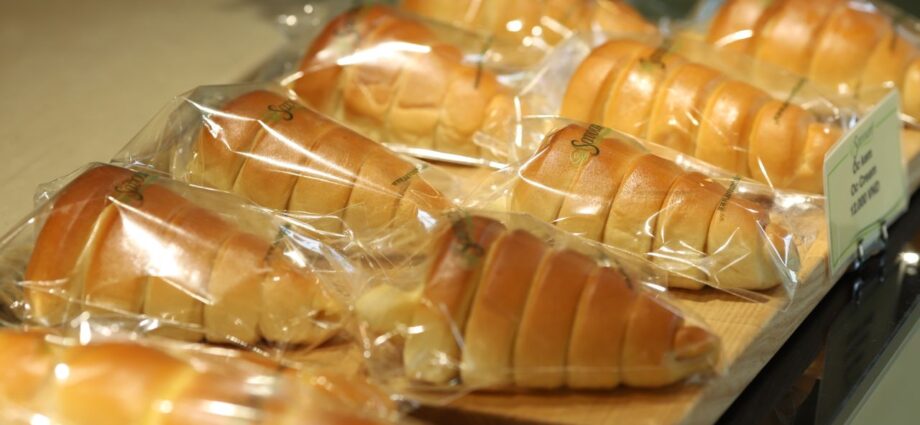
Bakeries and confectionery businesses, for instance, make great use of PP for products that require both visibility and a moisture barrier, while growers might choose ventilated or gusseted formats to package produce.
It’s not just food, either: apparel suppliers are another major user of PP, using flat bags to keep garments clean and identifiable; parts distributors value the same transparency for counting and quality checks.
The bag format should follow the job. Flat styles suit documents and garments, while side-gusseted versions expand around bulkier products. Bottom-gusseted bags stand more easily on shelves. For teams reviewing polypropylene bags, the useful comparison covers dimensions, thickness, closure and expected handling cycles.
Bulk buying can improve consistency, although volume alone doesn’t make a purchase efficient. When assessing PP bags wholesale, compare unit cost with tear-rate. Then account for storage space. Bulk polypropylene packaging works best when case quantities match demand and bag sizes are standardized across compatible product lines.
Building A Smarter Packaging Specification
Start with the failure you’re trying to remove. If thin bags puncture during picking, test a heavier gauge against the current format. If labels hide the product, trial a clearer film and record mis-picks. A short controlled test gives you evidence before a full changeover.
Next, decide what ‘reusable’ means inside your operation. It might involve returning clean bags from retail locations or circulating them between production stages. Some businesses retain suitable bags for customer returns. Set a minimum-use target and assign responsibility for inspection. Bags with damaged seams or contamination need a defined exit route.
You should also check local recyclers before making end-of-life claims. Ask whether they accept flexible PP identified as resin code 5 and whether closures or labels must be removed. Keep those instructions simple enough for warehouse staff and customers to follow.
Polypropylene won’t solve packaging waste by itself. Used with the right thickness and handling plan, it can replace flimsier single-use formats while protecting the goods inside. A workable recovery route strengthens the case. That makes polypropylene bags a practical operational choice: durable enough to earn repeat use and clear enough to keep products moving efficiently.
Subscribe to our newsletter.
This article was originally published on IMPAKTER. Read the original article.

