

by Yuxi Lim
April 5, 2026
The Golden State is famous for producing more than half of the nation’s fruits and vegetables. However, recent findings from EWG show that these products are largely contaminated with residues from dozens of synthetic pesticides, or Per-and polyfluoralkyl substances (PFAS) known as “forever chemicals.”
Per-and polyfluoralkyl substances (PFAS) are a group of thousands of chemicals used in consumer products, pharmaceuticals, electronics, and pesticides. Some are highly toxic, even in low doses. They can build up in one’s body over time and pose severe health risks, including immune suppression, cancer, and reproductive and developmental toxicity. PFAS are also highly persistent in the environment.
“Forever chemicals” in California’s fruits and vegetables
Tests were run by the California Department of Pesticide Regulation on 78 types of non-organic, California-grown fruits and vegetables. The results show that 37% of the 930 samples tested had traces of PFAS pesticides, with 40 out of 78 types of fruits and vegetables (51%) having some residue of the pesticides.

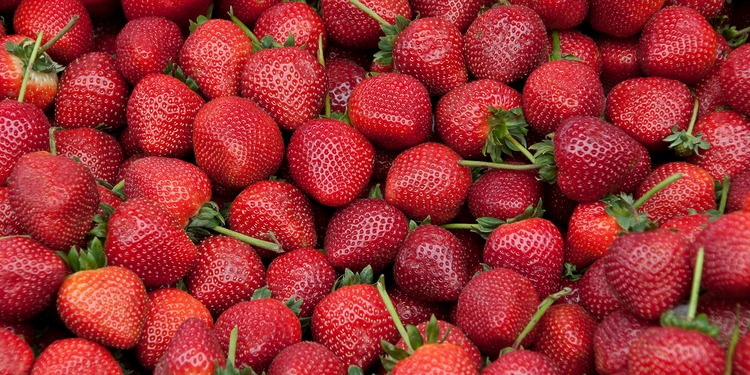
Stone fruits showed the highest contamination rates. More than 90% of the nectarines, plums, and peaches sampled carried a single PFAS pesticide, the fungicide fludioxonil. About 80% of strawberries, cherries, and grapes were contaminated with PFAS pesticides, with strawberries showing the widest variety of PFAS pesticides compared to any other crop. Other affected crops include spinach, blueberries, lettuce, and lemons.
Conversely, various types of produce showed no detectable amounts of PFAS pesticides. These include sweet potatoes, cauliflower, mushrooms, tomatoes, watermelon, cantaloupe, sweet corn, avocados, and summer and winter squash. Though they may possibly carry other pesticide residues, the amounts are generally small.

What can consumers do?
Fresh produce is crucial for a healthy, balanced diet. These findings should not discourage people from consuming fruits and vegetables, but they underscore the importance of a few simple steps that people can take to reduce their dietary exposure to pesticides. For example, people are encouraged to wash their produce before eating, referring to EWG’s Guide to Washing Produce alongside their Shopper’s Guide to Pesticides in Produce, and purchase certified organic products, which prohibit the use of PFAS pesticides.
The bigger picture
The widespread presence of PFAS pesticides in conventional agriculture poses significant long-term threats to both human health and the environment. It calls for more scrutiny and in-depth reviews from state and federal regulators. As EWG states, the pesticide residues on Californian produce “are a sober reminder of the continued identification and presence of PFAS in our environment, and suggest a need to reconsider use of the pesticides”.
Consumer efforts can only go so far, and systemic change has to occur for meaningful and effective change to take place.

Subscribe to our newsletter.
This article was originally published on IMPAKTER. Read the original article.
